
 See Our Latest Article on HelloNation
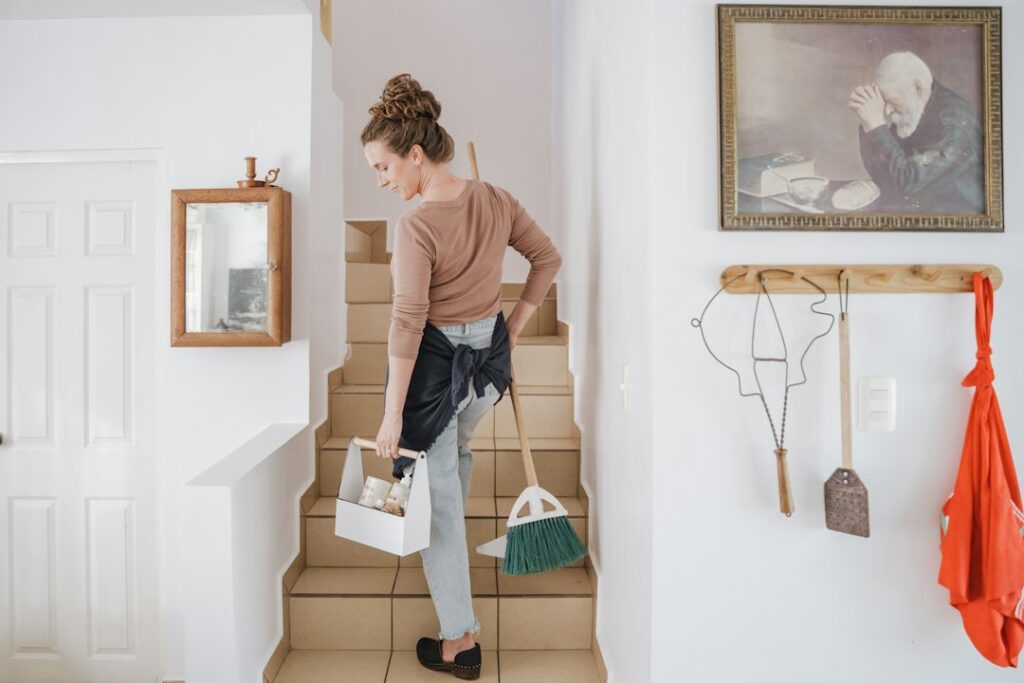
Daily chores can place repeated stress on the lower back, neck, shoulders, and hips. In Dobbs Ferry, NY, household tasks may also involve stairs, compact storage areas, uneven outdoor surfaces, seasonal cleanup, and winter conditions that increase the chance of awkward lifting or slipping.
Protecting the spine does not require avoiding chores. The goal is to use better body positioning, reduce unnecessary strain, pace demanding tasks, and recognize when pain signals a need for medical attention.
How should you lift laundry, groceries, and household items?
Lift with the object close to your body, bend through the hips and knees, and avoid twisting while carrying. The farther an item is held from the torso, the greater the leverage placed on the lower back.
Before lifting:
- Clear the walking path.
- Estimate the item’s weight and shape.
- Stand with feet about shoulder-width apart.
- Move close enough that the item does not need to be reached for.
- Tighten the abdominal muscles gently without holding the breath.
As you lift, keep the back in a comfortable, neutral position rather than forcing it completely straight. Rise with the legs and hips, keeping the load near the waist. To turn, move the feet instead of rotating the trunk while holding the object.
A full laundry basket, storage bin, or case of bottled drinks may be safer when divided into smaller loads. Carrying two lighter containers may also be easier than managing one oversized item, provided both hands can be used comfortably and the path is clear.
What is the safest way to vacuum, sweep, and mop?
The handle should allow an upright posture with only a slight bend in the elbows. A handle that is too short encourages rounding through the back, while one that is too long can elevate the shoulders and strain the neck.
Use short, controlled strokes instead of reaching as far as possible. Move the feet and hips with the cleaning tool rather than repeatedly bending and twisting from the waist. When vacuuming a larger room, change direction by stepping around instead of turning sharply through the spine.
For floors, wring or adjust the mop without excessive force. A long-handled tool can reduce repeated bending, but it does not eliminate the need for good technique. Keep frequently used supplies at a comfortable height so that cleaning does not involve constant reaching toward the floor or overhead shelves.
How can bending and reaching be made easier?
Repeated bending is often more tiring than a single lift. Tasks such as loading a dishwasher, cleaning a bathtub, gardening, or sorting items from a low shelf can expose the back to many small stresses over several minutes.
For low tasks, use one of these positions:
- Hinge at the hips while keeping the spine comfortably aligned.
- Kneel on a padded surface when the task will take several minutes.
- Use a half-kneeling position with one foot forward for balance.
- Sit on a stable stool rather than bending repeatedly.
Avoid leaning and twisting at the same time. For example, when removing objects from a low cabinet, face the cabinet directly and shift the feet as needed. When reaching overhead, keep the ribs from flaring and avoid standing on an unstable chair or step.
In homes with narrow storage areas or multiple levels, move items in stages. Carrying a small container up stairs is generally easier to control than carrying a large bin that blocks the view of the steps.
What should residents know about shoveling and outdoor cleanup?
Snow, wet leaves, soil, and branches can be surprisingly heavy. Cold weather may also make muscles feel less flexible, while slippery walkways increase the chance of a sudden twisting motion or fall.
Before outdoor work, walk briefly, move the shoulders and hips gently, and begin with lighter tasks. While shoveling, push material forward when possible instead of lifting it. If lifting is necessary, keep the shovel load small and avoid throwing snow or debris over one shoulder.
Change sides periodically, especially during repetitive work. Keep both hands spaced apart on the handle, hold the load close, and pivot with the feet. Do not twist forcefully while the shovel is loaded.
Outdoor chores are safer when divided into shorter sessions. Wet snow and packed material should not be treated like loose, lightweight snow. If a surface is icy or visibility is poor, postponing the task or using safer access methods may prevent a more serious injury.
How can repetitive chores be paced?
Pain and fatigue often develop because a task continues after the body has started compensating. A person may begin with good posture but gradually round the back, lift with one arm, or lean to one side as muscles tire.
Try alternating tasks that use different movements. For example, follow a period of vacuuming with a seated sorting task, or switch between indoor work and a short walking break. Avoid remaining in one position for a long period, even if the position feels comfortable at first.
A practical pacing approach includes:
- Work in short intervals rather than completing every chore at once.
- Take a brief movement break before discomfort becomes intense.
- Change hand positions during repetitive activities.
- Keep water nearby, particularly during warm-weather yardwork.
- Stop if coordination, balance, or lifting control worsens.

Rest does not have to mean complete inactivity. Gentle walking and comfortable movement are often more useful than staying still for long periods after ordinary exertion.
Is “lifting with the legs” enough to protect the back?
Not by itself. Using the legs helps, but spinal safety also depends on the load’s weight, distance from the body, lifting speed, footing, fatigue, and whether the person twists during the movement.
A person can still strain the back while squatting if the object is too heavy, held too far away, or lifted abruptly. The safest technique is the one that combines a stable stance, a manageable load, close positioning, controlled movement, and a clear path.
There is also no need to force a perfectly rigid posture. A comfortable, coordinated movement is usually more practical than trying to keep the back unnaturally straight throughout an entire chore.
Which symptoms should not be ignored?
Mild muscle soreness after unfamiliar activity often improves with relative rest and normal, comfortable movement. Symptoms that are severe, worsening, or associated with nerve changes deserve more prompt medical evaluation.
Seek urgent medical care for back pain accompanied by:
- New loss of bladder or bowel control.
- Numbness around the inner thighs or groin.
- Significant weakness in a leg or foot.
- Inability to walk normally after an injury.
- Severe pain following a fall or direct impact.
- Fever, unexplained weight loss, or feeling seriously ill.
Pain that travels down an arm or leg, persistent numbness, or repeated episodes of back pain may also require assessment. A chiropractor, physician, physical therapist, or other qualified healthcare professional can help determine whether the problem is mechanical, nerve-related, or connected to another condition.
How can a home be arranged to reduce strain?
The simplest long-term improvement is to make common tasks easier to reach and carry. Store frequently used items between about knee and shoulder height when possible. Use smaller containers for laundry, cleaning supplies, and seasonal storage. Keep stairs well lit and free of objects that encourage awkward stepping.
During colder months, pay attention to wet entryways, icy steps, and bulky clothing that may restrict movement. During warmer months, gardening and outdoor maintenance should be treated as physical activity rather than as tasks that can be completed without preparation.
A spine-friendly home setup reduces the number of times residents must bend, twist, stretch, or carry an unstable load. Good technique matters, but reducing unnecessary strain is often just as valuable.
