
 See Our Latest Article on HelloNation
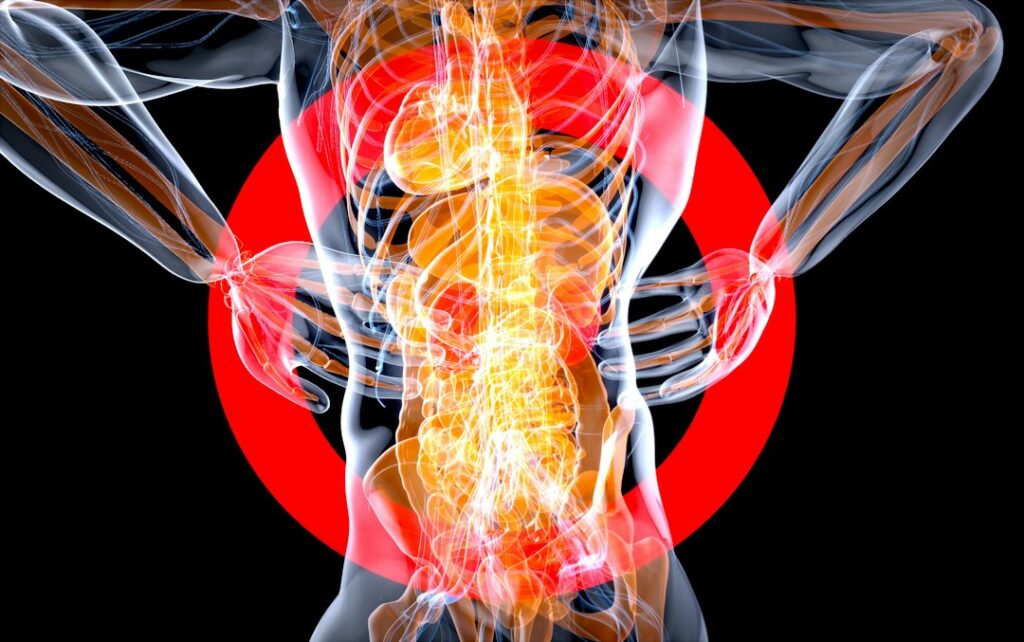
Back pain is often linked to muscle strain, awkward lifting, prolonged sitting, or a minor joint irritation. Many episodes improve gradually with light activity and time. However, certain symptoms suggest that the problem may involve a nerve, infection, fracture, internal organ, or another condition that needs prompt medical evaluation.
Knowing the warning signs can help residents of Dobbs Ferry respond appropriately instead of assuming every painful back is simply “out of alignment.”
Which back pain symptoms require emergency attention?
New bladder or bowel changes, numbness around the groin, or rapidly worsening weakness require emergency evaluation. These symptoms can indicate pressure on nerves that control the legs, bladder, bowel, or sexual function.
Seek emergency care promptly if back pain occurs with:
- New loss of bladder or bowel control
- Difficulty starting or completely emptying the bladder
- Numbness around the inner thighs, buttocks, genitals, or anus
- Weakness in both legs
- Rapidly worsening numbness, tingling, or difficulty walking
- Severe back pain after a major fall, collision, or other trauma
A rare condition called cauda equina syndrome can produce this combination of symptoms. It is not something to monitor at home or treat with stretching alone. Delayed care can increase the risk of lasting nerve problems.
When could back pain signal an infection or serious illness?
Back pain accompanied by fever, chills, unusual fatigue, or feeling generally unwell deserves prompt medical attention. Infection is uncommon, but the risk is higher when pain is severe, persistent, or steadily worsening.
Other concerning combinations include:
- Back pain with a fever
- Pain that becomes worse at rest or repeatedly wakes someone at night
- Unexplained weight loss
- A recent serious infection
- A weakened immune system
- Recent surgery, injection, or invasive medical procedure
- A history of cancer
Night pain does not automatically mean something dangerous. Muscles, joints, and irritated nerves can hurt at night, especially after a physically demanding day. The concern increases when night pain is constant, progressive, or combined with other warning signs.
What does leg pain, numbness, or weakness mean?
Pain that travels from the lower back into the buttock or leg may reflect irritation or compression of a spinal nerve. This pattern is often called sciatica. It can cause burning, electric, stabbing, or aching pain and may be accompanied by pins-and-needles sensations.
Pain alone is not always an emergency. The situation becomes more concerning when symptoms include:
- Increasing weakness in the foot, ankle, knee, or hip
- Tripping or difficulty lifting the front of the foot
- Numbness that is spreading or becoming constant
- Symptoms in both legs
- New problems with balance or walking
- Pain that is severe and worsening rather than gradually settling
A person who cannot walk normally, stand safely, or control a leg should not assume the problem is a routine muscle strain. Nerve-related symptoms deserve an examination that considers strength, sensation, reflexes, and movement.
Can an injury cause a serious back problem?

Yes. A fracture or other significant injury can occur after a car crash, fall, sports impact, or heavy blow. It can also happen after a relatively minor incident in people with osteoporosis, weakened bones, or long-term steroid use.
Winter conditions can add practical risk. Ice near steps, sloped walkways, and hard outdoor surfaces may contribute to falls. Indoor routines can also play a role when residents carry heavy containers, move furniture, or lift awkward loads during seasonal household tasks.
Medical evaluation is especially appropriate after an injury when pain is severe, localized over the spine, accompanied by bruising, or made worse by standing and walking. New numbness or weakness after trauma should be treated as urgent.
How long is it reasonable to watch back pain at home?
Mild back pain that follows a recognizable strain and improves with gentle movement can often be observed for a short period. Prolonged bed rest is generally unhelpful; changing positions, taking brief walks, and avoiding movements that sharply increase pain may be more useful.
A medical evaluation becomes more appropriate when:
- Pain is not improving after several days of reasonable self-care
- Symptoms continue for a few weeks
- Pain is becoming more intense or frequent
- Normal sleep, work, household tasks, or walking are significantly affected
- Pain repeatedly returns without a clear explanation
Persistent pain does not necessarily mean a dangerous disease. It may reflect a disc problem, arthritis, muscle weakness, reduced mobility, or an irritated joint. The duration and pattern still matter because they help distinguish a short-lived strain from a problem that needs further assessment.
What common explanations can be misleading?
Several popular assumptions can delay appropriate care.
“It only hurts when I move, so it cannot be serious.” Some significant problems cause movement-related pain, particularly early in their course.
“It must be a slipped disc.” Disc-related conditions are possible, but back pain can also come from muscles, joints, nerves, fractures, infections, or conditions outside the spine.
“A normal X-ray would rule out everything.” X-rays can show some fractures and structural changes, but they do not provide a complete view of nerves, discs, infection, or every cause of pain.
“I should stay in bed until it goes away.” Short periods of rest may help during a painful flare, but extended inactivity can increase stiffness and reduce strength.
“Chiropractic treatment or stretching is always appropriate.” Hands-on care or exercise may be reasonable for some mechanical back problems, but red-flag symptoms should be medically evaluated first. Manipulation or aggressive stretching should not delay emergency care when there is progressive weakness, saddle-area numbness, or bladder or bowel dysfunction.
What information should a clinician know?
Before an evaluation, it helps to record when the pain began, what triggered it, where it travels, and whether symptoms are changing. Also mention recent falls, fever, illness, weight loss, cancer history, osteoporosis, steroid use, infections, and changes in bladder or bowel function.
The most useful distinction is often not whether the pain is “bad,” but whether it is changing. Increasing weakness, spreading numbness, worsening nighttime pain, fever, trauma, or new bladder and bowel symptoms are more significant than pain intensity alone.
For residents managing back pain at home, a steady improvement pattern is generally reassuring. A worsening pattern, neurological change, or combination of systemic symptoms calls for a higher level of care.
