
 See Our Latest Article on HelloNation
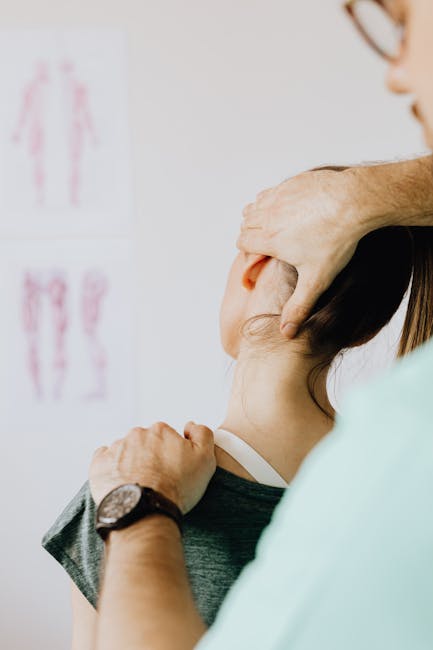
Living in Dobbs Ferry, NY, means enjoying the scenic views of the Hudson River, winding trails, and a bustling village lifestyle. But whether you’re an active commuter, a desk-bound professional, or someone who loves weekend hikes in our beautiful parks, you may have experienced an odd clicking or cracking sound when you turn your head. If you’ve asked yourself, “What causes clicking in the neck?” you’re not alone. Many residents in Dobbs Ferry and around Westchester County find this sensation disconcerting. Let’s explore the causes, when to worry, and what you can do about it.
What Is Neck Clicking?
Neck clicking—sometimes called “crepitus”—describes the audible popping or grinding sounds that occur when you move your neck. Some people only notice it occasionally, while others experience it with almost every turn or tilt of their head. While often harmless, persistent or painful neck clicking may warrant a closer look.
Common Causes of Neck Clicking
Understanding the root causes can provide reassurance or signal when to consult a healthcare provider.
1. Normal Joint Movements
The neck contains several joints, most notably the facet joints, which allow your head to turn, nod, and tilt. As you move, small pockets of gas (mostly nitrogen and carbon dioxide) can form and collapse in the synovial fluid that lubricates these joints. The result? A harmless "pop" or "click," similar to cracking your knuckles.
2. Ligament or Tendon Shifts
Ligaments and tendons help stabilize and move your neck. During movement, these tissues can momentarily shift position, snapping over the bones and causing a clicking sound. This is common and usually painless for people who are active or who make sudden, repeated neck movements, such as athletes practicing on Mercy College fields or locals jogging along the Old Croton Aqueduct Trail.
3. Cervical Spine Degeneration
As we age, wear and tear on the cervical spine (the upper part of your spinal column) is normal. Osteoarthritis or degenerative disc disease can roughen the cartilage surfaces in your neck joints, making them more likely to click or grind as you move your head. Older adults in Dobbs Ferry may notice neck clicking increases with age, especially after gardening, painting, or completing other home projects.
4. Previous Injuries
Past injuries, whether from a car accident on the Saw Mill River Parkway or a fall in one of Dobbs Ferry’s hillside parks, can lead to scar tissue or minor misalignments in the neck. This can result in clicking sensations years after the original incident.
5. Poor Posture
Remote work is on the rise in Dobbs Ferry, with many residents setting up home offices. Spending long hours at a desk or using mobile devices with the head forward may create muscle imbalances or joint restrictions. Over time, these postural issues can contribute to joint “stiffness” and the clicking or popping sounds people hear upon stretching or repositioning their heads.
6. Medical Conditions
Less commonly, conditions like cervical instability, inflammation, or infections can cause neck noises. Persistent clicking associated with pain, weakness, numbness, or swelling should be evaluated by a healthcare provider.
When Should You Be Concerned About Neck Clicking?
Most neck clicking is benign, especially if it’s painless and intermittent. However, you should seek medical attention if you notice:
- Persistent or worsening pain along with clicking
- Numbness, tingling, or weakness in your arms or hands
- Severe stiffness or swelling
- A recent injury followed by new clicking or cracking noises
For the Dobbs Ferry community, it’s especially important to address symptoms early, since our active lifestyle and hilly terrain can amplify neck and spine issues if left untreated.
How Can You Prevent or Reduce Neck Clicking?
If your neck clicks frequently but without pain, there are several ways to reduce recurrence:
*1. Improve Posture*
Maintain good posture whether you’re working at the Dobbs Ferry Public Library, dining in local restaurants, or relaxing at home. Keep your head aligned with your spine and take regular movement breaks.
*2. Stretch and Strengthen*
Simple neck and upper back stretches can keep muscles and ligaments flexible. Incorporate strengthening exercises for your shoulders and back, especially if you participate in recreational sports or regular fitness routines along the Hudson.
*3. Move Mindfully*
Try to avoid rapid or forced neck movements. Gentle range-of-motion exercises, like slow head turns, can decrease joint stiffness without over-stressing ligaments.
*4. Mind Your Ergonomics*
Whether you’re working from home or in a Dobbs Ferry office, ensure your screen is at eye level and your chair supports your lower back, reducing the chance of head-forward posture.
*5. Stay Hydrated and Eat Well*
Proper hydration and nutrition maintain cartilage health, crucial for joint lubrication and reducing unnecessary friction.
When to See a Chiropractor in Dobbs Ferry
Chiropractors can assess your posture, spinal alignment, and musculoskeletal balance, offering personalized stretches, adjustments, and ergonomic advice. If your neck clicking is accompanied by pain or neurological symptoms—or if it’s simply causing you stress—consult a chiropractor experienced with Dobbs Ferry’s unique lifestyle needs.
The Bottom Line
Neck clicking is a common experience for residents of Dobbs Ferry, whether you’re active outdoors, spending hours at a desk, or leading a busy day-to-day life. While often harmless, understanding the causes and knowing when to seek professional help can keep you healthy, mobile, and comfortable. By incorporating small changes in posture and daily habits, you can minimize bothersome neck sounds and keep enjoying everything our wonderful river village has to offer.
If you have ongoing concerns about neck clicking, don’t hesitate to speak with a healthcare professional familiar with the Dobbs Ferry community’s needs.
