
 See Our Latest Article on HelloNation
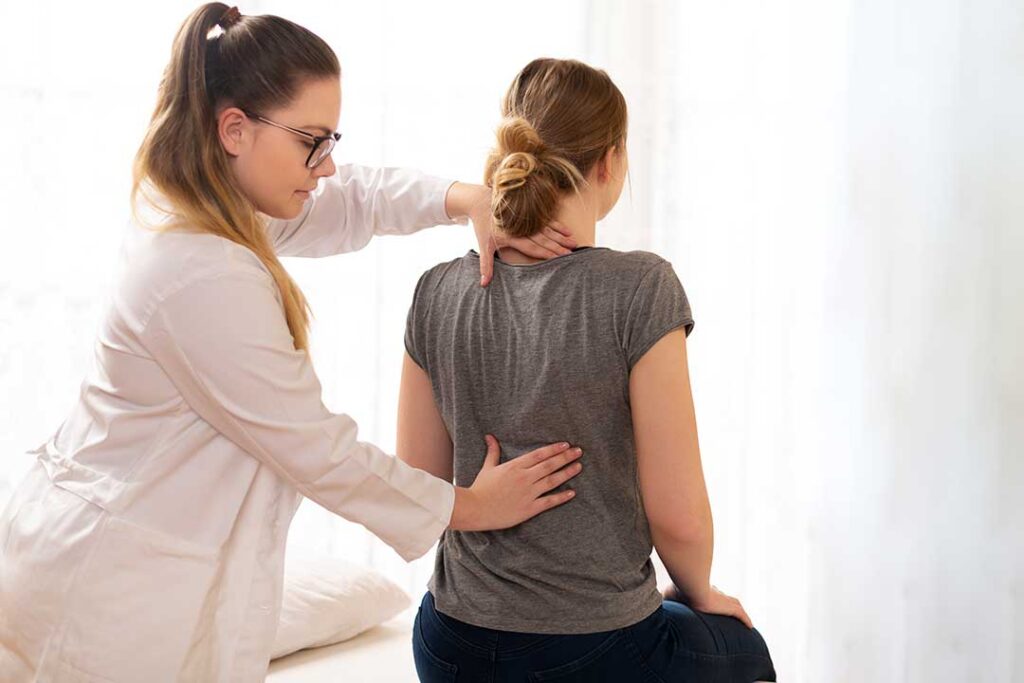
Living in Dobbs Ferry, NY, means enjoying the best of both worlds—the peaceful charm of village life and the easy access to New York City’s hustle and bustle. Whether you’re strolling along the Old Croton Aqueduct Trail, playing with kids in Waterfront Park, or commuting into Manhattan, your lifestyle depends on a healthy, well-supported spine. For so many, the secret to spinal health lies in the often-overlooked foundation: a strong core.
What Exactly Is Your "Core"?
When most people think of the core, they picture six-pack abs, but core muscles include much more. This powerhouse encompasses the muscles deep within the abdomen, lower back, hips, and pelvis. These muscles work together to provide essential support for your spine and maintain your posture throughout every activity.
Core muscles include:
- Rectus abdominis (the “six-pack”)
- Transverse abdominis (deep abdominal layer)
- Internal and external obliques (side abdominals)
- Multifidus and erector spinae (spinal stabilizers)
- Pelvic floor muscles
- Hip flexors and glutes
Why Is Core Strength Crucial for Spinal Health?
1. Improved Posture
Whether you’re seated at a desk working remotely, attending a class at Mercy College, or waiting for your train at Dobbs Ferry Station, good posture minimizes pressure and strain on your spine. Strong core muscles act as a natural corset, stabilizing your trunk so your back muscles and spine don’t have to overcompensate.
- Poor core strength often leads to slouching, rounded shoulders, and increased risk of neck and back pain.
- Enhanced core engagement facilitates a tall, lifted posture, decreasing discomfort during long periods of sitting.
2. Spinal Injury Prevention
Many Dobbs Ferry residents lead active lives—kayaking on the Hudson, gardening in backyard plots, and participating in community events require a stable foundation. Your core acts as that anchor.
- Weak core muscles mean more strain on the lumbar spine during twisting, bending, or lifting—common movements in both daily chores and recreational activities.
- Consistent core strengthening can reduce the risk of disc herniations, muscle sprains, and chronic lower back pain.
3. Enhanced Balance and Stability
Navigating Dobbs Ferry’s hilly terrain, icy sidewalks in winter, or uneven surfaces in Juhring Nature Preserve requires stability. A strong core:
- Improves your balance and protects against falls, especially in elderly residents or anyone recovering from injury.
- Supports controlled movement, making sports, hiking, or simply playing with your kids much safer and easier.
4. Support for Everyday Activities
Think about the range of tasks you complete daily: carrying groceries from Mom’s Organic Market, lifting toddlers, or cycling across village streets. Every movement hinges on core strength. Without it, the spine has to work overtime, increasing the risk of overuse and degeneration over the years.
The Science Behind Core Strength and Back Health
Modern research supports what chiropractors and physical therapists have long known: core strength is integral to spinal alignment, mobility, and pain prevention. Studies show that individuals who incorporate core stability exercises are less likely to develop lower back pain and rebound faster from spinal injuries.
A healthy core helps:
- Evenly distribute mechanical stress across the body
- Absorb shock from walking, running, or impact sports
- Support proper spinal alignment, reducing nerve irritation and mechanical inflammation
How Can Dobbs Ferry Residents Build Core Strength Safely?
You don’t need a fancy gym or long commute to train your core. In fact, local parks, hiking paths, and living rooms offer excellent places to focus on these essential muscles.
Effective Core-Strengthening Activities
- Pilates or Yoga at local studios: Both practices target the deep abdominal and spine-stabilizing muscles.
- Planks and bridges: Bodyweight exercises that can be done in your home or outdoors.
- Aquatic exercises: Try swimming laps at The Masters School pool or water aerobics for low-impact strengthening.
- Hiking and brisk walking: Dobbs Ferry’s scenic parks naturally engage the core for stability and balance.
Tips for Safeguarding Your Spine While Exercising
- Focus on slow, controlled movements—rushing can increase injury risk.
- Listen to your body, especially if you have a history of back pain.
- Consult a local chiropractor or physical therapist for personalized advice and exercise modifications.
- Always balance core training with flexibility work for maximum benefit.
Incorporating Core Strengthening into Village Life
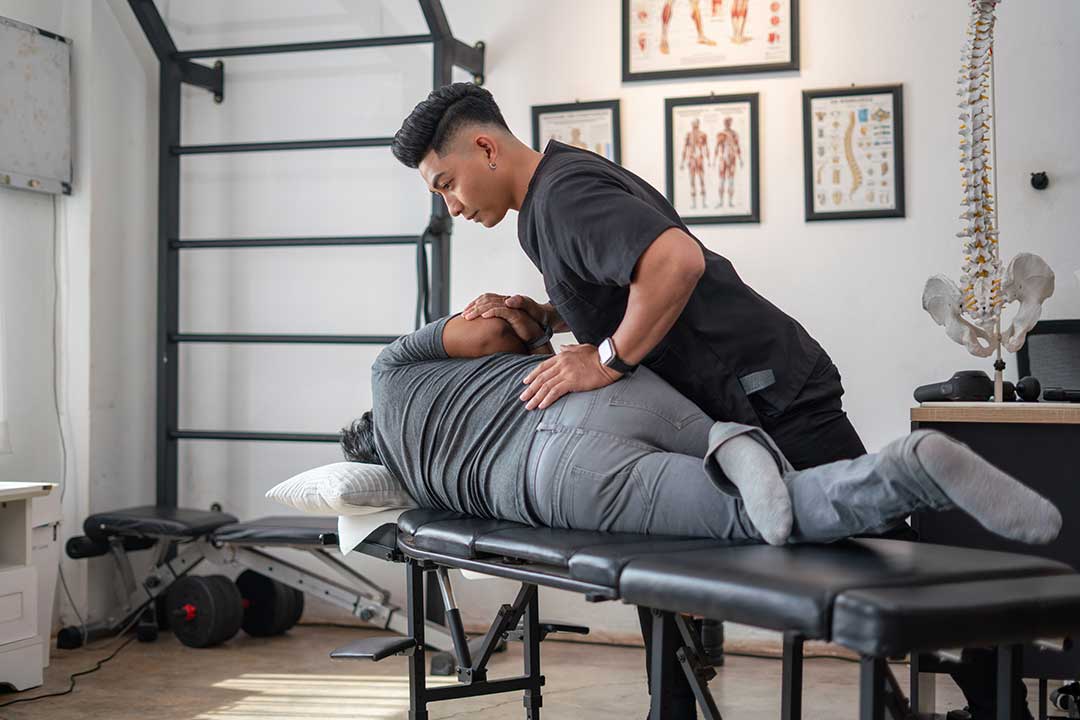
Chiropractic care in Dobbs Ferry often includes personalized plans to boost core strength. Gentle spinal adjustments, soft tissue therapy, and movement assessments complement exercise progress. Chiropractors can recommend beginner-friendly routines, modify movements for any limitation, and teach you to use proper form to avoid future injuries.
Making time for a few minutes of core strengthening most days can enhance not just spinal health, but also your overall vitality, energy, and comfort in everyday Dobbs Ferry life. Whether you’re an avid runner on the Aqueduct Trail, a busy parent juggling a packed schedule, or an active retiree, a strong core will help you keep moving well throughout the seasons.
Final Thoughts: Small Changes, Lasting Results
You don’t need to overhaul your routine to secure the health of your spine. Engaging your core during daily activities—from standing in line at The Cookery to sitting in traffic on the Saw Mill River Parkway—adds up to real results over time.
Taking just 10-15 minutes a day to perform simple, effective exercises can help you prevent pain, improve posture, and support a healthy, active lifestyle in Dobbs Ferry. If you’re unsure where to start or have underlying conditions, working with a chiropractic professional offers the safest path to a stronger, pain-free back. Prioritizing core strength is an investment in your spine—and your future wellbeing as part of this vibrant Hudson Valley community.
