
 See Our Latest Article on HelloNation
How Do High Heels Affect Back Health?
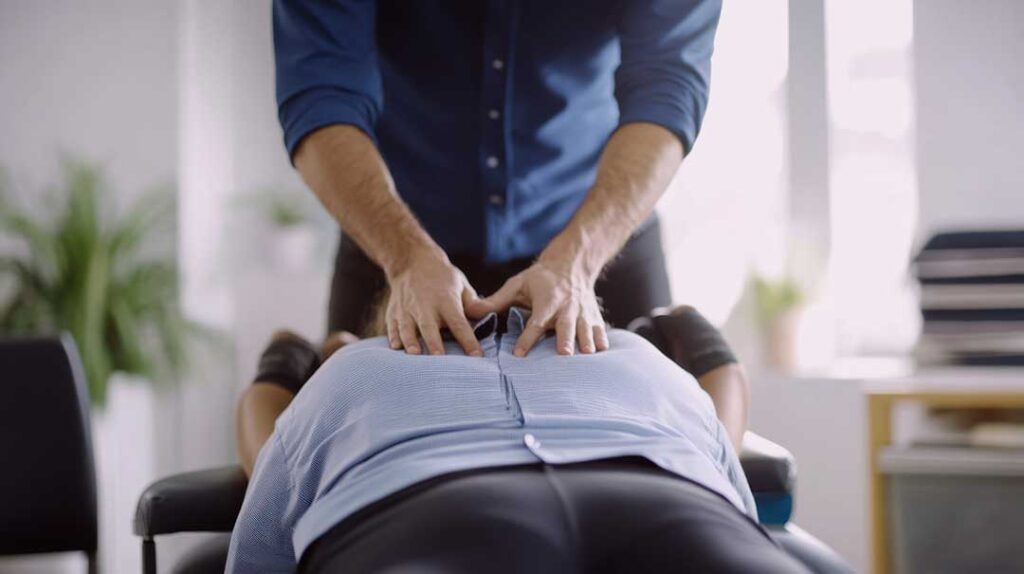
Wearing high heels shifts the body's natural alignment, often leading to increased pressure on the lower back and spine. This shift occurs because high heels force the ankles forward, causing the pelvis to tilt and the spine to arch abnormally.
Residents in Dobbs Ferry, NY, who frequently navigate uneven sidewalks, hilly pathways, or stand for extended periods will recognize how footwear choices impact daily comfort. Local weather, especially during icy or rainy conditions, can further challenge balance when wearing high heels, increasing the likelihood of awkward posture or sudden slips that may strain the back.
What Happens to the Spine and Muscles When Wearing High Heels?
High heels can cause the lower back to arch more than usual, which compresses vertebrae and places strain on supporting muscles. This posture can also cause small muscle groups in the legs and lower back to overwork, often leading to stiffness or pain.
Common experiences reported by local residents include:
- Tightness in the calf muscles after walking to the train station or through town
- Soreness in the lower back after a day of community events or festivals where walking and standing are required
- Occasional sharp discomfort if balance is lost or an awkward landing occurs stepping off local curbs
Are These Effects Long-Term or Temporary?
Some discomfort from high heels is temporary and resolves quickly after switching to more supportive footwear. However, repeated or long-term use may contribute to chronic issues, especially if worn daily for work or social events. Over time, some people in the community notice increased frequency or intensity of back pain, especially after years of habitual heel use.
Conditions that sometimes develop in individuals who regularly wear high heels include:
- Chronic lower back pain
- Tightness in the muscles running along the spine and legs
- Appearance of bunions, hammertoes, or changes in walking patterns, which can affect overall posture
Can Wearing High Heels Lead to Other Postural Issues?
Yes, high heels can impact more than just the lower back. They also affect the knees, hips, and even the alignment of the neck and shoulders. The chain reaction caused by the altered foot position may lead to compensation patterns throughout the body.
In Dobbs Ferry households where sidewalks may be uneven or outdoor stairs are common, additional postural challenges can occur, such as:
- Extra tension in the hips and thighs to maintain balance
- Forward head tilt or slouched shoulders to offset the arch in the lower spine
- Increased ankle instability, particularly in wet or snowy weather
Are Some High Heels Worse for Back Health Than Others?
Heel height and shoe design make a significant difference. Generally, the higher and narrower the heel, the greater the impact on posture and spinal alignment. Shoes with a very pointed toe box or minimal arch support can further increase risks.
For local residents who walk between schools, shops, or local parks, shoes with a lower, broader heel and a supportive sole typically offer more stability and reduce strain.
How Can High Heel Wearers in the Community Minimize Back Problems?
Practical adjustments help reduce discomfort without giving up high heels entirely. Common strategies include:
- Choosing shoes with a heel less than two inches when walking longer distances around the city or attending local events
- Using cushioned insoles or arch supports to provide shock absorption
- Alternating with supportive footwear—such as sneakers or flats—when commuting, then changing into heels only at the destination
- Stretching the calves, hamstrings, and lower back after prolonged wearing
In Dobbs Ferry, where winter ice or summer heat may already put stress on joints, these adjustments can provide extra comfort and safety.
Do High Heels Impact Younger and Older Residents Differently?
High heels can affect people of any age, but older adults and those with pre-existing foot or back problems are often more sensitive to their negative effects. Younger residents may recover from minor aches quickly; however, starting to wear high heels routinely at an early age can set the stage for long-term issues.
Older adults in the community, especially those walking on sloped driveways or carrying groceries from local markets, may experience increased instability or a higher risk of falls.
Are There Any Misconceptions About High Heels and Back Pain?
A common misconception among area residents is that occasional or moderate use will not affect back health. However, even infrequent use can cause short-term discomfort if not balanced with stretching and supportive footwear. Another myth is that only extremely high heels cause problems; in reality, even moderately high shoes can create alignment issues over time.
When Should Residents Consider Changing Their Footwear Habits?
Anyone experiencing regular discomfort, numbness, or changes in balance after wearing high heels may want to reassess their footwear choices. For local walkers, commuters, or those participating in city events that require extended periods on foot, supportive, well-fitted shoes are key for maintaining good spinal health.
Listening to physical warning signs—such as persistent soreness, tightness, or tingling sensations—is a valuable first step toward preventing longer-term problems.
