
 See Our Latest Article on HelloNation
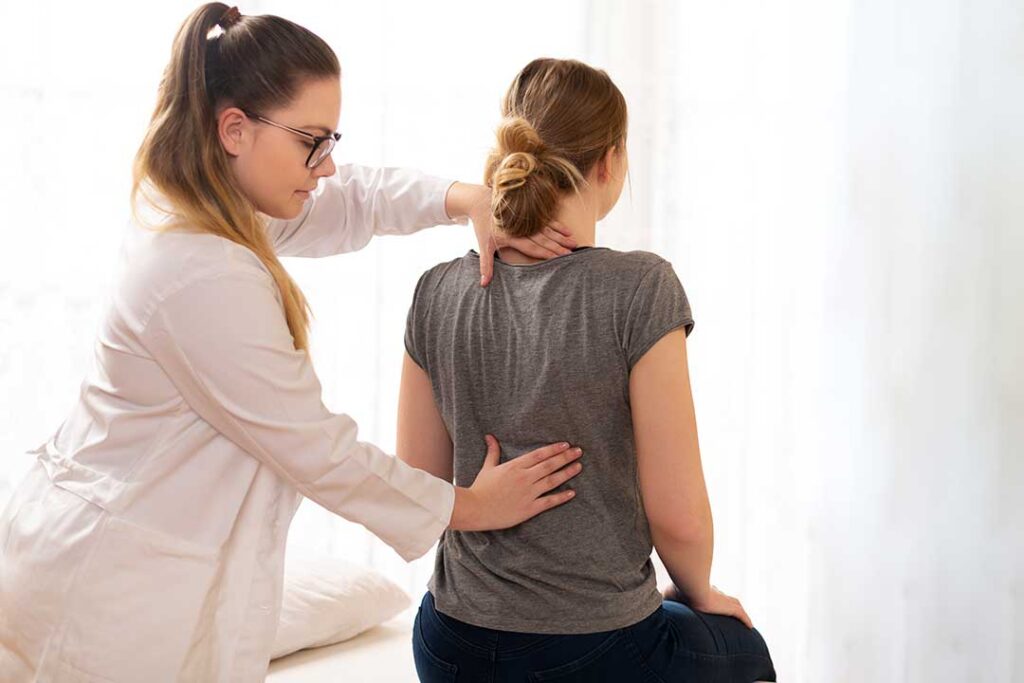
Older adults often notice that ordinary movements—standing from a chair, turning the head, climbing stairs, or walking on uneven ground—become more difficult over time. Chiropractic care may support mobility by addressing musculoskeletal pain, joint stiffness, movement habits, and confidence with activity, but it works best as one part of a broader plan that includes strength, balance, medical care, and fall prevention.
What does mobility mean as people age?
Mobility is more than walking speed. It includes the ability to move safely and comfortably through daily activities such as:
- Getting in and out of bed or a chair
- Turning while walking
- Looking over the shoulder
- Reaching overhead
- Bending to dress or garden
- Going up and down stairs
- Carrying light household items
- Maintaining balance when stepping over an obstacle
Age-related changes in muscle strength, joint flexibility, vision, sensation, and reaction time can affect these tasks. Pain may further limit movement. For example, someone with back or hip discomfort may take shorter steps, avoid stairs, or rely heavily on furniture for support. Over time, reduced activity can lead to additional weakness and stiffness.
Chiropractic care generally focuses on the muscles, joints, and nervous system involved in movement. Its potential mobility benefits are usually indirect: reducing discomfort or improving movement may make it easier for a person to remain active.
How might chiropractic care help an older adult move more comfortably?
Chiropractic treatment may help identify and address mechanical contributors to limited movement, such as restricted joint motion, muscle tension, or painful movement patterns. Depending on the individual, care may include gentle joint mobilization, soft-tissue techniques, manual therapy, movement education, and home exercises.
The goal is not to “restore” the body to a younger state. A more realistic goal is to improve a specific function, such as walking farther, standing more easily, or turning the neck with less discomfort.
Research on spinal manipulation in older adults with chronic spinal conditions suggests that it may provide outcomes comparable to recommended treatments for pain and functional disability in some cases. However, the evidence is not equally strong for every condition, and results vary among individuals. ([pmc.ncbi.nlm.nih.gov](https://pmc.ncbi.nlm.nih.gov/articles/PMC13229143/?utm_source=openai))
A mobility-focused plan may address:
- Spinal or joint stiffness
- Chronic low-back or neck discomfort
- Muscle tightness that alters walking or posture
- Difficulty rotating, bending, or reaching
- Fear of movement after a painful episode
- The need for gradual return to regular activity
Pain relief alone is not the same as improved mobility. The meaningful question is whether a person can perform daily tasks more safely and independently.
Does chiropractic care prevent falls?
Chiropractic care should not be presented as a stand-alone fall-prevention program. Current research has identified possible connections between musculoskeletal care, balance, gait, strength, and flexibility, but there is not yet strong evidence that chiropractic treatment by itself prevents falls in older adults. Studies examining this question have often been small or have not directly measured long-term fall rates. ([pmc.ncbi.nlm.nih.gov](https://pmc.ncbi.nlm.nih.gov/articles/PMC9442928/?utm_source=openai))
Fall prevention usually requires several measures working together. For adults age 65 and older, federal physical activity guidance emphasizes a combination of aerobic activity, muscle strengthening, and balance exercises. This combination supports physical function and can lower the risk of falls or fall-related injury. ([cdc.gov](https://cdc.gov/physical-activity-basics/adding-older-adults/what-counts.html?utm_source=openai))
For a resident managing mobility concerns at home, useful questions include:
- Can the person rise from a chair without pushing off repeatedly?
- Does walking become less steady when carrying an object?
- Is there a history of falls, near-falls, or dizziness?
- Are stairs, icy walkways, dim hallways, or clutter creating problems?
- Has a new medication affected alertness or balance?
Seasonal conditions can matter in Dobbs Ferry, where snow, ice, wet leaves, and uneven outdoor surfaces may make walking more demanding. Safe footwear, adequate lighting, handrails, and clear paths are practical parts of a mobility plan.
What should an older adult expect from an evaluation?
A careful evaluation should begin with health history and functional concerns rather than treatment selection. Relevant information includes osteoporosis, arthritis, previous fractures, spinal surgery, balance problems, cancer history, blood-thinning medication, neurological symptoms, and recent falls.
The assessment may consider:
- Walking pattern and step length
- Ability to stand from a chair
- Range of motion
- Muscle strength
- Balance and coordination
- Pain during specific movements
- Home or environmental risks
- Current medications and other medical conditions
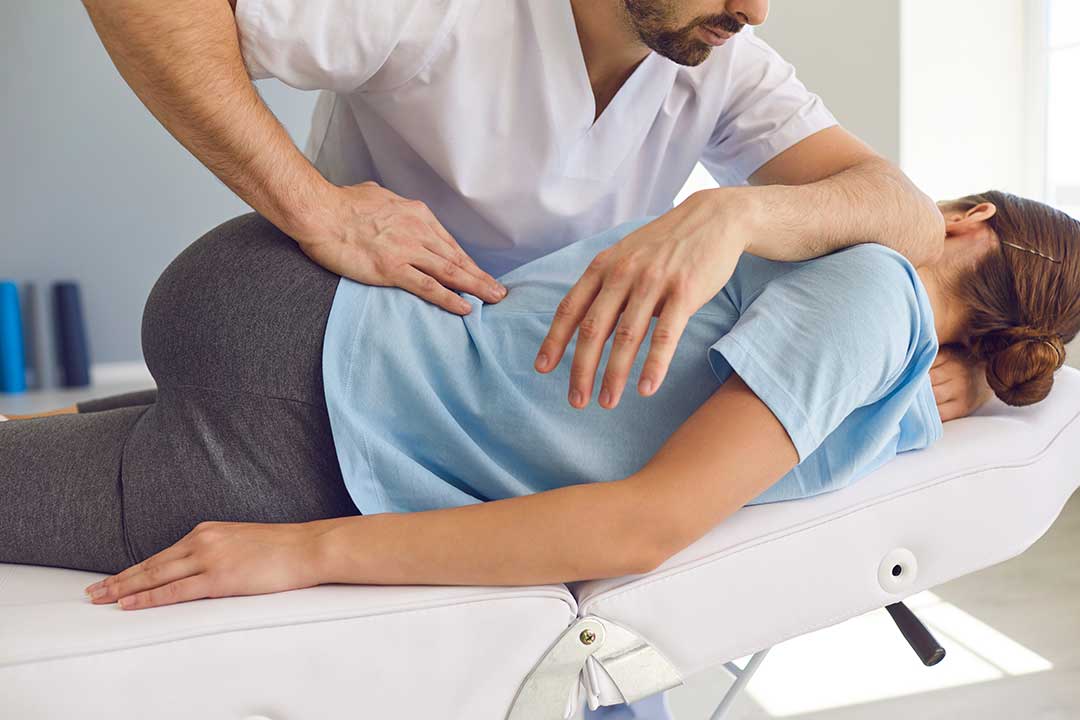
Older adults may have several conditions at once. A stiff back could be related to arthritis, muscle guarding, spinal narrowing, a recent injury, or a non-musculoskeletal illness. That is why a treatment plan should be based on an individualized assessment rather than age alone.
Is spinal manipulation safe for seniors?
Many older adults receive manual therapy without serious complications, but age-related bone loss, fragile tissues, and multiple health conditions require additional caution. Mild, temporary soreness, stiffness, headache, or increased discomfort can occur after spinal manipulation or mobilization. Serious complications are rare, but they have been reported, and risk may be higher when underlying health problems are present. ([nccih.nih.gov](https://www.nccih.nih.gov/health/spinal-manipulation-what-you-need-to-know?utm_source=openai))
A senior should make sure the treating clinician knows about:
- Osteoporosis or a history of compression fractures
- Recent falls or unexplained pain
- Blood-thinning medication
- Rheumatoid arthritis or inflammatory disease
- Cancer, infection, or unexplained weight loss
- Numbness, weakness, or changes in bladder or bowel control
- Recent surgery
- Dizziness, fainting, or significant balance changes
Gentler approaches may be more appropriate than forceful techniques for some people. Treatment should never be painful, and a person should be able to ask why a particular technique is being considered.
When is medical evaluation more urgent?
New or rapidly worsening weakness, loss of coordination, severe headache, fever with back pain, unexplained weight loss, major trauma, or new bowel or bladder changes require medical evaluation rather than routine mobility treatment. A fall followed by significant hip, back, or neck pain also deserves prompt attention.
Sudden one-sided weakness, facial drooping, trouble speaking, chest pain, or severe shortness of breath should be treated as an emergency.
What role should exercise play?
Exercise is usually the part of mobility care that builds lasting capacity. Manual treatment may temporarily make movement more comfortable, but strength, balance, endurance, and confidence improve through appropriately progressive activity.
Depending on ability, an older adult might work toward:
- Short, regular walks
- Sit-to-stand practice from a stable chair
- Leg and hip strengthening
- Gentle range-of-motion exercises
- Balance practice near a countertop or sturdy support
- Tai chi or another supervised balance activity
- Light resistance-band exercises
The right amount depends on health status and current function. Someone who has fallen, feels unsteady, or has significant weakness may need a formal assessment and supervised exercise plan. The CDC also recommends reviewing fall risks, medications, vision, bone health, and home hazards as part of prevention. ([cdc.gov](https://www.cdc.gov/falls/prevention/index.html?utm_source=openai))
For older residents in the community, the most useful measure of progress is often practical: walking to the mailbox, preparing a meal, using stairs, getting dressed, or moving through the home with greater confidence and fewer limitations.
